


Bhutan's weather varies enormously with altitude — the country spans subtropical lowlands under 200m to Himalayan peaks over 7,000m, often within a single day's drive.
By season
- Spring (March–May) — mild and generally dry, warming as the season progresses; the classic time for clear mountain views and blooming rhododendrons.
- Summer / Monsoon (June–August) — warm and wet, with the heaviest rainfall of the year, especially in the lower and central valleys; cloud cover reduces mountain visibility.
- Autumn (September–November) — widely considered the clearest, most stable season, with crisp air and minimal rain — peak season for photography and festivals.
- Winter (December–February) — cold, especially at altitude; Paro, Thimphu and Bumthang can see occasional snow, while lower-altitude Punakha stays milder.
By region
Western valleys (Paro, Thimphu) sit around 2,200–2,500m and feel temperate to cold most of the year. Central valleys (Punakha, Wangdue) are lower and noticeably warmer. Eastern Bhutan and the southern border towns (Phuentsholing, Gelephu, Samdrup Jongkhar) are subtropical and hot/humid, especially outside winter.
Packing implication
Layering is essential on almost any Bhutan itinerary that crosses multiple valleys — mornings and evenings are cool even in warmer months. See travel tips for a fuller packing checklist, and best time to visit for how weather maps onto trip planning.
Ready to plan your Bhutan trip?
Browse tours or send an enquiry — no payment, no pressure.
More in Practical Info
Popular Bhutan Tours
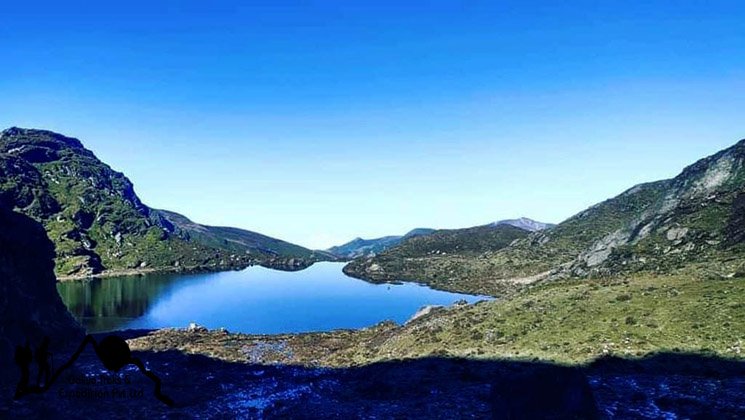
Dagala Thousand Lakes Trek
A Cultural Glimpse of Bhutan
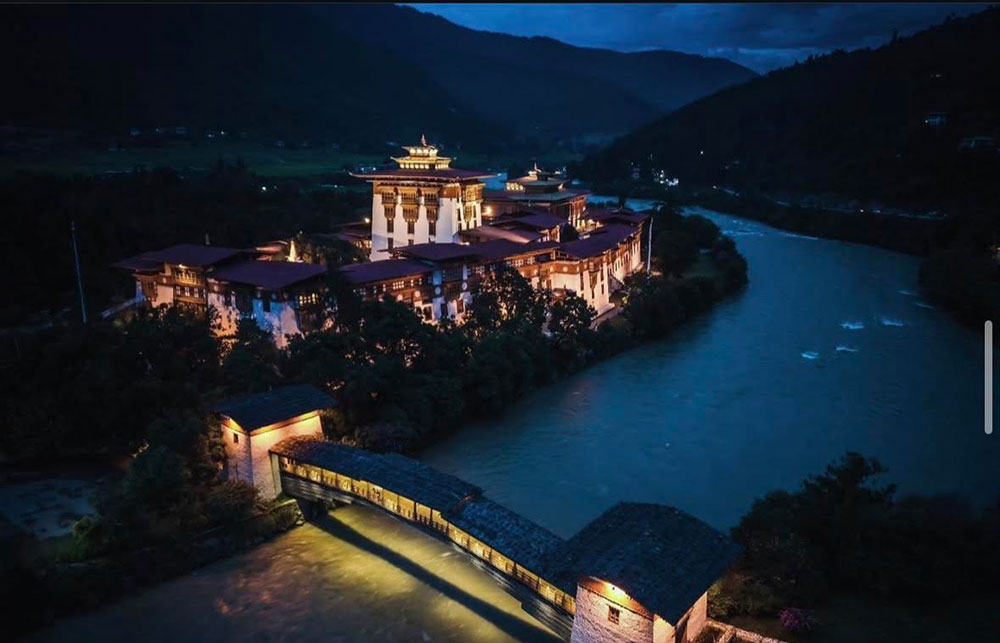
Glimpse of Bhutan (6Night 7Days)