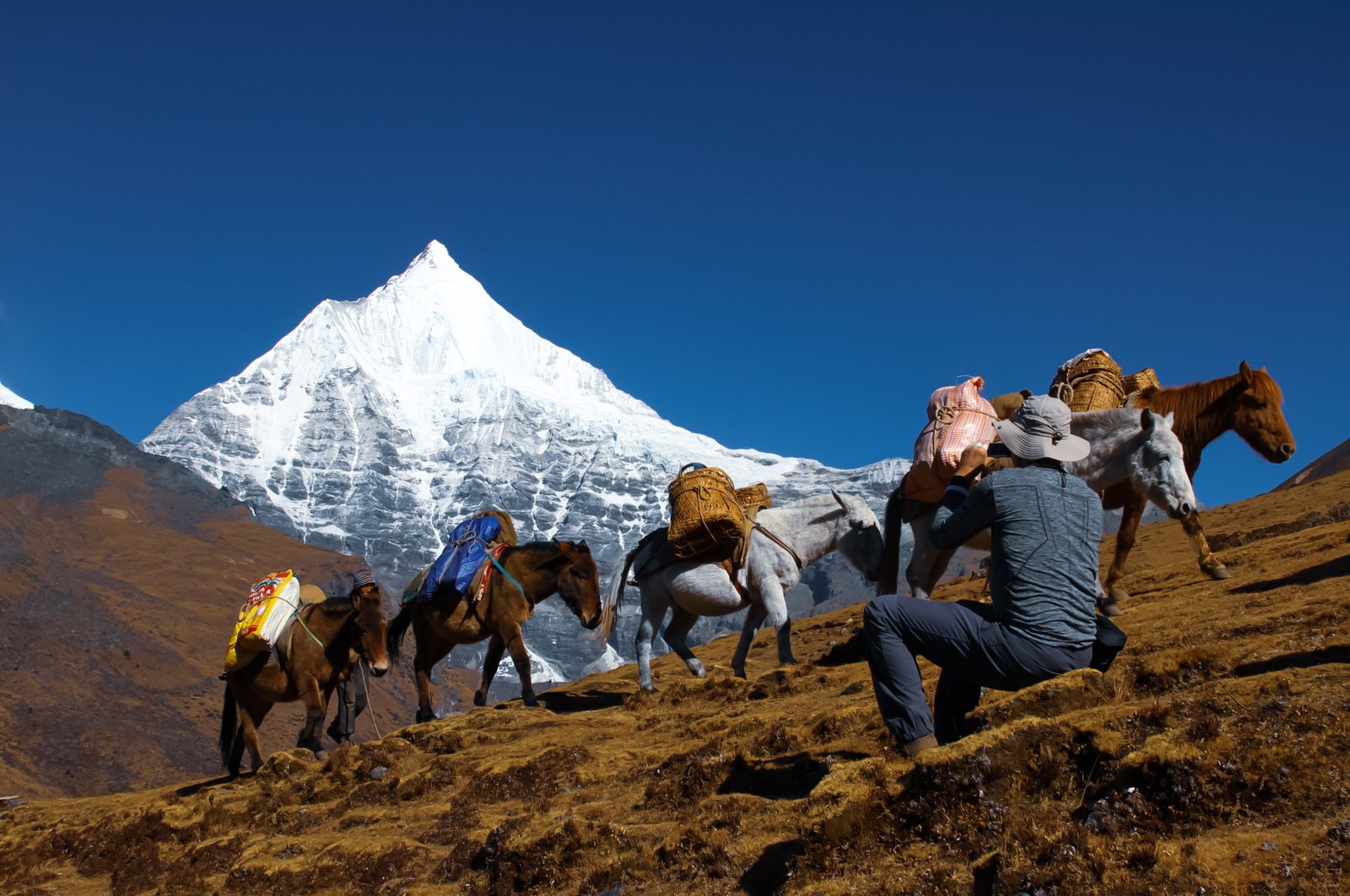
Bhutan is a year-round destination, but the season you choose shapes your trip significantly — from mountain visibility to which festivals you can catch.
Spring (March–May)
Widely considered the best season: rhododendrons and magnolias bloom across the hillsides, skies are generally clear for Himalayan views, and temperatures are mild. This is peak season, so book operators early.
Autumn (September–November)
The other peak season, and arguably the best time for photography — post-monsoon skies are at their clearest, giving the sharpest mountain views of the year. Major festivals including the Thimphu Tshechu typically fall in this window. See our festivals guide.
Summer / Monsoon (June–August)
Warm and wet, with regular rainfall, especially in the lower valleys. Landscapes turn a deep green and it's a quieter, lower-cost season, but road travel can be affected by landslides in places, and mountain views are less reliable.
Winter (December–February)
Cold, especially at altitude, with possible snow in the high valleys (Paro, Thimphu, Bumthang) and passes potentially closed further afield. Skies are often crisp and clear, and it's the quietest, most budget-friendly season. Punakha, at a lower altitude, stays relatively mild and is a popular winter destination.
Our recommendation
If your dates are flexible, aim for late March–April or October–November. If you want lower costs and don't mind the cold, winter is genuinely underrated for clear-sky photography. Whatever the season, check Bhutan's regional weather patterns before finalising your itinerary, and browse tours available for your travel window.