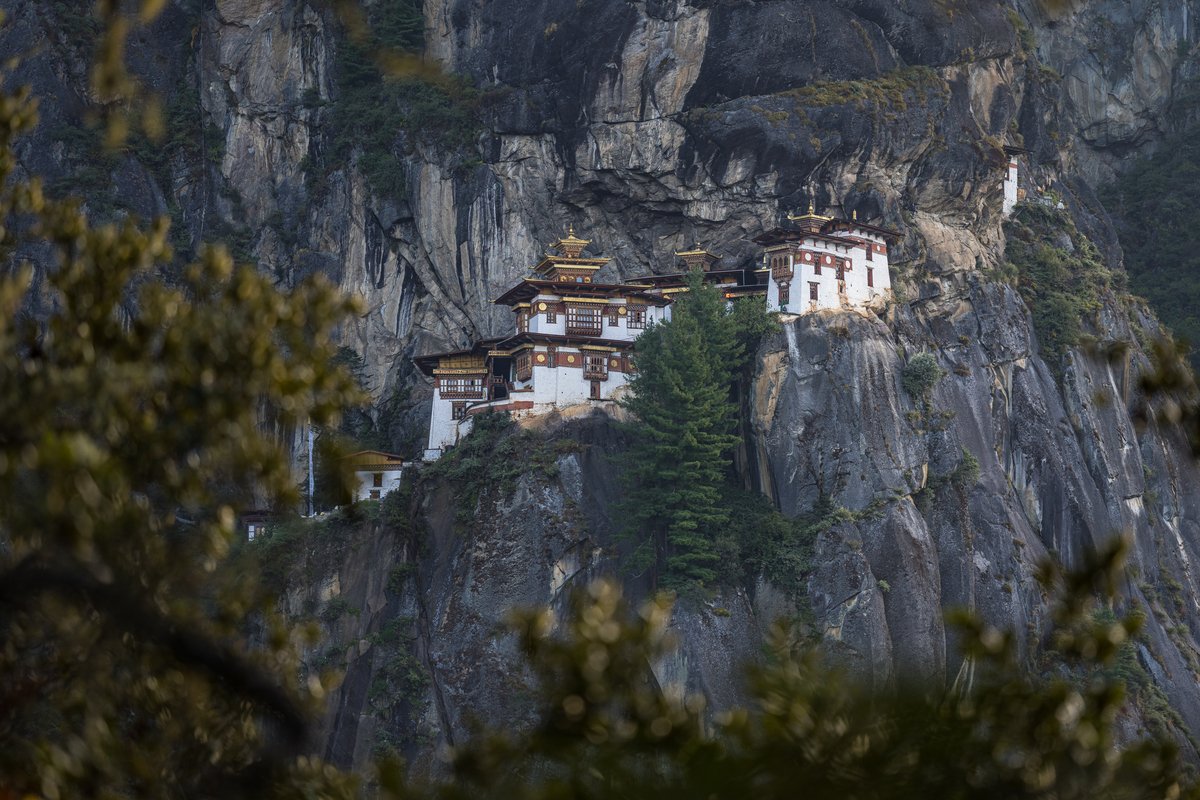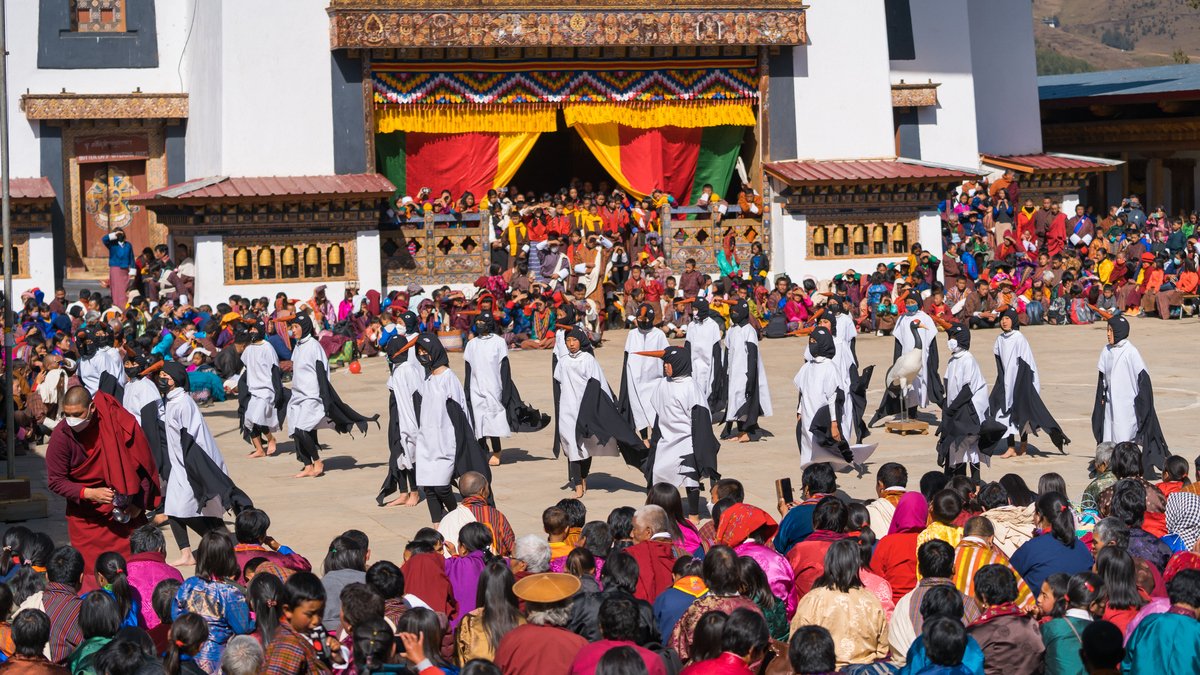
This is a glacier valley which is sometimes referred to as the Gangtey Valley, is a major conservation area and the home to the endangered black-necked cranes that migrate from Tibet. The Black-Necked Crane Festival is held in the valley to commemorate their arrival. The 17th-century Gangtey Monastery overlooks the valley and offers a place of spiritual solace. Black-Necked Crane Information Center is a local museum that offer travellers with the information regarding the bird, neighbouring towns and insight into local wildlife and rural life.
Why Visit Phobjikha Valley
Phobjikha (also known as Gangtey Valley) is a glacial valley and major conservation area — one of the only places in the world where endangered black-necked cranes winter, and Bhutan even buried its power lines underground here to protect them.
Things to See
- Gangtey Goemba — a Nyingma monastery overlooking the valley floor.
- Black-Necked Crane Information Centre — displays on the cranes' migration and the valley's conservation status.
- The open valley itself, with its distinctive treeless, wetland floor.
Things to Do
Walk the Gangtey Nature Trail across the valley floor, visit the crane centre, or — in winter — spend time birdwatching as the cranes arrive from the Tibetan plateau.
Best Time to Visit
November to February is when the black-necked cranes are present; the valley itself is scenic year-round.
How to Reach
Reached via Wangdue Phodrang, climbing out of the Punakha–Wangdue valley.
Festivals & Events
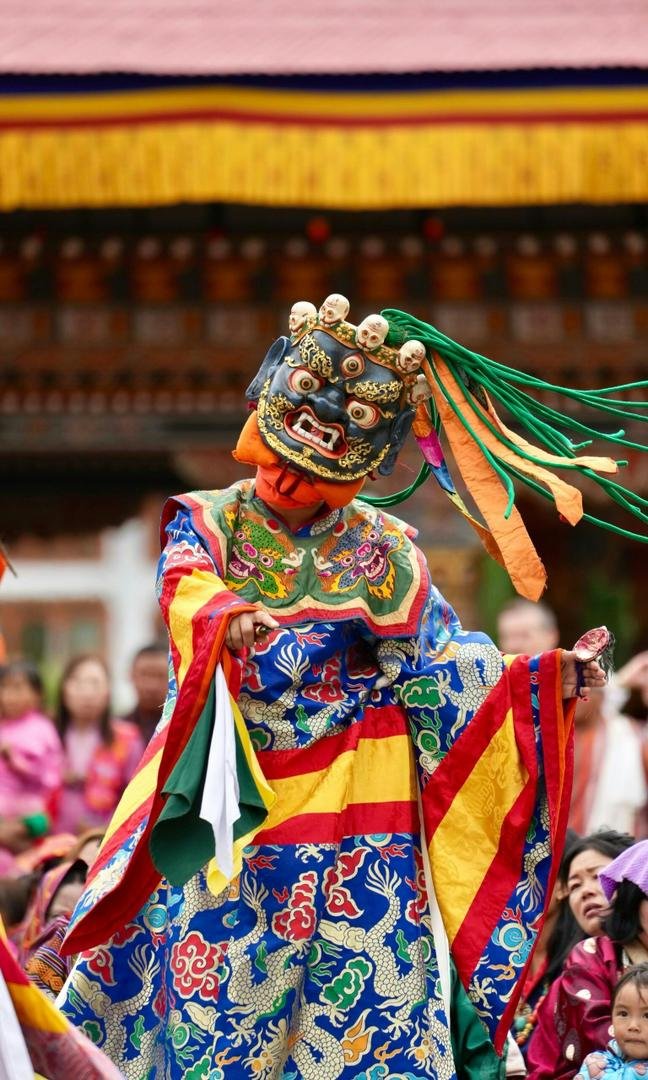
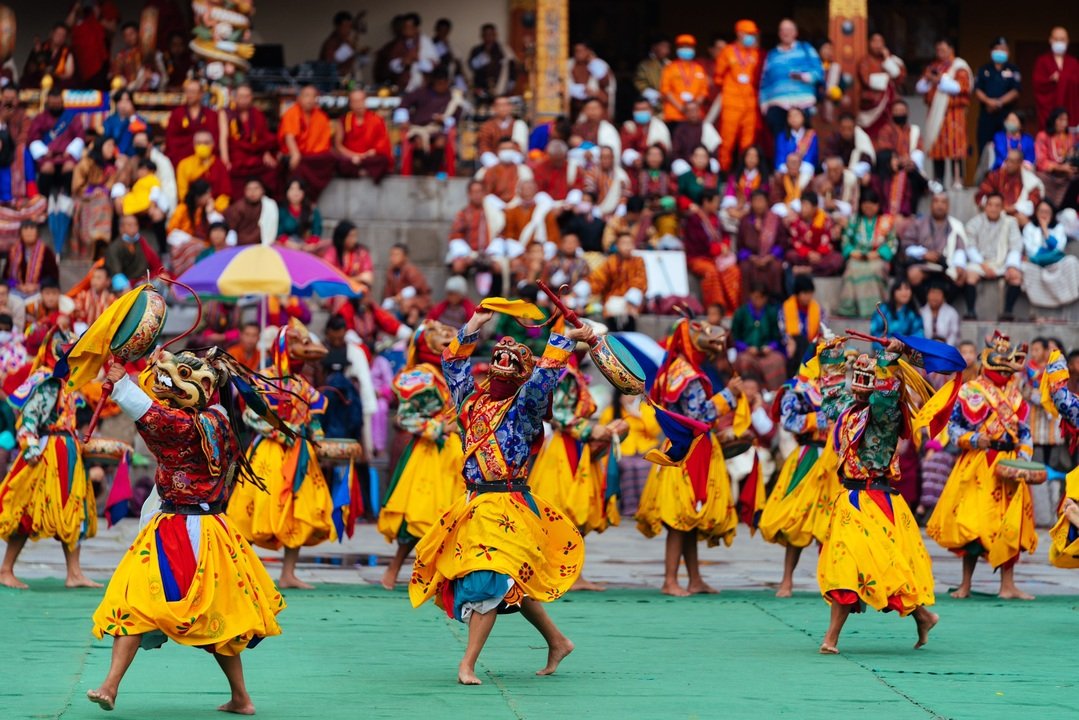
Black-Necked Crane Festival — held in Phobjikha each November, celebrating the cranes' arrival with a strong community and conservation focus.
Nearby Attractions
Wangdue Phodrang, on the route in and out of the valley.
Travel Tips
Phobjikha is cold, especially in winter when the cranes are present — pack proper warm layers even if the rest of your trip is in warmer valleys.
FAQs
Will I definitely see the cranes? Sightings are likely but not guaranteed, and are seasonal (roughly November–February) — ask your operator about current numbers.
Featured Tour Packages
Browse through our curated tour packages designed to suit every traveler's dream.